Idea in brief
AI is changing what is difficult to build, undermining the assumptions behind acquisitions and long-term software commitments. Paying to bypass technical complexity can mean buying value that erodes before integration is complete. Evaluate what will remain valuable after the deal closes, from customer trust to distribution and regulatory access.
There is a long-standing rule in business: you buy what you cannot build.
When an organization needs speed, a specialized capability, or a custom tool, building it internally from scratch often feels too slow and too risky. Acquiring a company, licensing a platform, or signing a multi-year vendor contract bypasses the build timeline. You pay a premium to skip the line.
Yet as artificial intelligence shifts the boundary of what is hard to build, that classic math is quietly breaking down.
The issue isn’t whether M&A or vendor deals still make sense. The issue is that we are evaluating what to buy using assumptions about build difficulty that no longer hold true.
The Shifting Boundary
Consider how a standard build-versus-buy decision works.
An executive team identifies an operational gap—a specialized data processing pipeline, a custom workflow engine, or an internal analytics tool. They look at their engineering capacity, estimate a two-year build time, and conclude: we must buy this.
They negotiate an acquisition or sign a heavy multi-year software contract. The financial model checks out, and the deal closes.
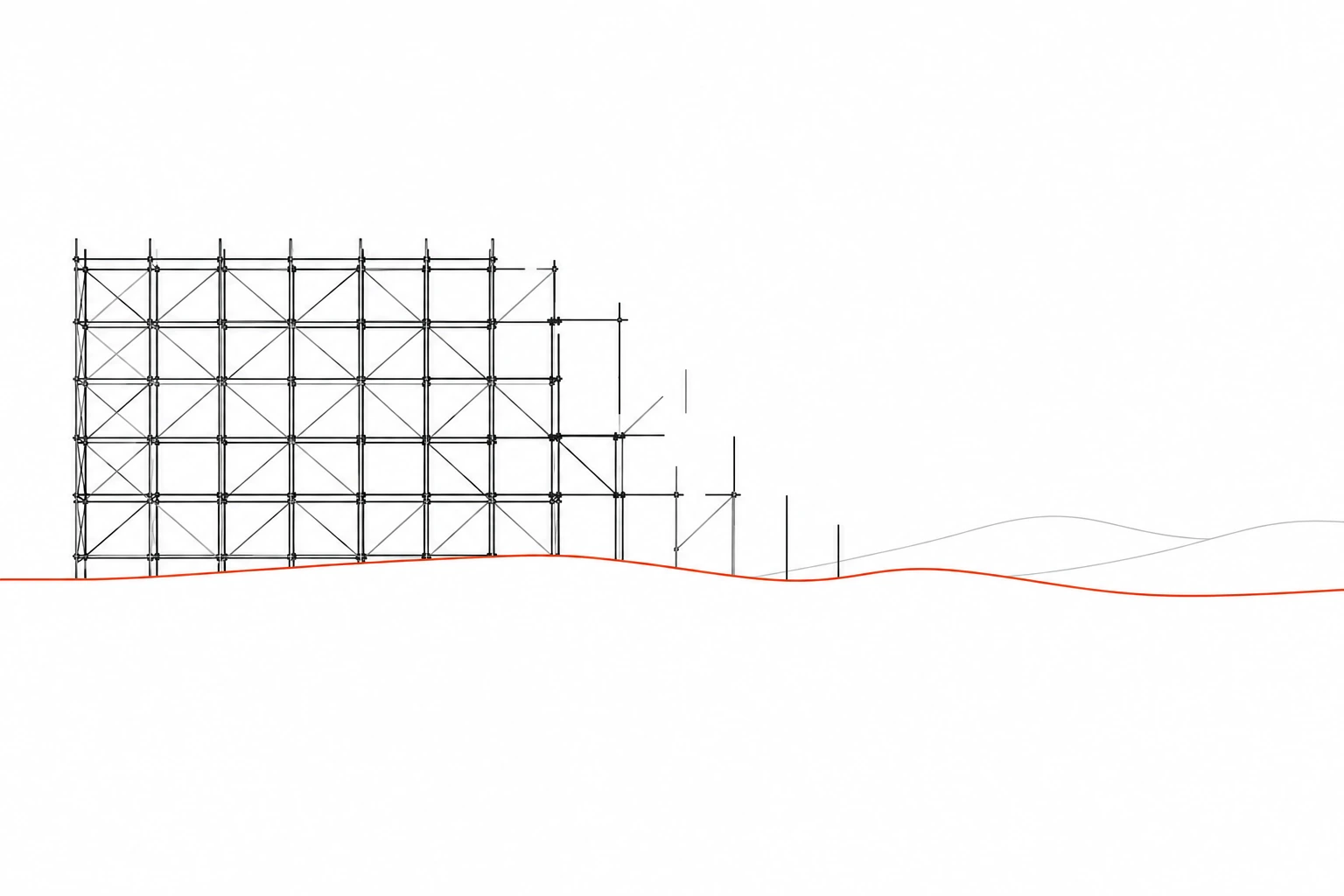
It’s like buying a premium lakehouse. The location looks ideal, the structure is solid, and the valuation makes sense based on historical comps.

Except the lakehouse is built on shifting sands.
While the deal is being integrated over twelve to eighteen months, the underlying technology moves. AI foundation models, automated code generation, and flexible API workflows advance. What used to require a twenty-person engineering team and two years of custom code suddenly becomes something a small team can assemble in an afternoon.
By the time the deal lands, you haven’t bought a defensible competitive moat. You’ve bought an expensive answer to a question that AI made obsolete while you were closing the transaction.
(This is the core friction explored in The AI Abundance Paradox: when technological capabilities shift every few months, the assumptions behind our major decisions expire faster than our organizations can execute on them.)
The Real Cost of “Buy”
When AI accelerates what can be built, the main risk in build-versus-buy isn’t overpaying for an asset. The risk is paying top dollar for something simply because it used to be hard to build.
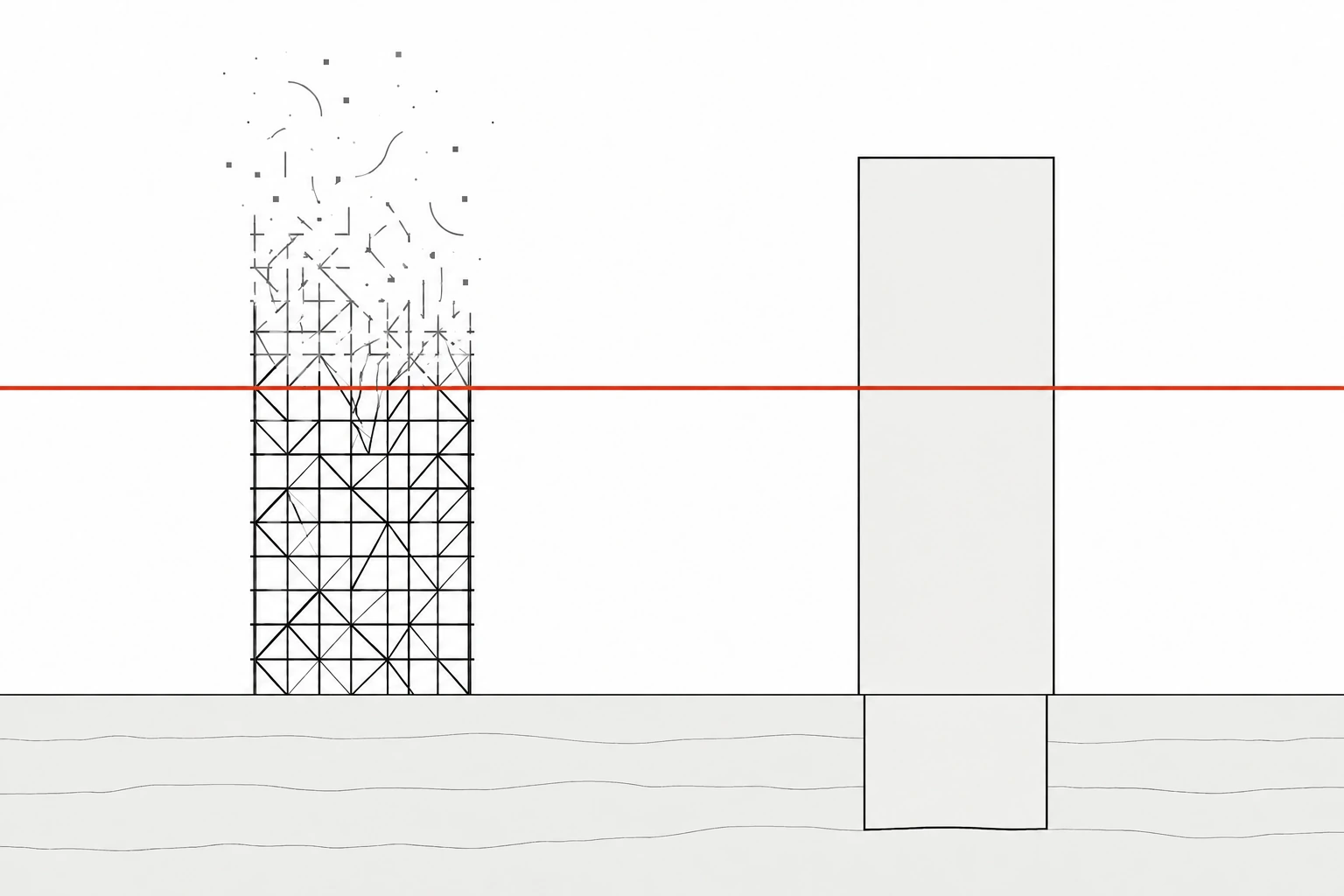
For decades, software complexity and engineering friction acted as a natural moat. If a capability was difficult to assemble, it commanded a high price tag—and that difficulty protected the value of what you bought.
AI systematically erodes that moat. When foundation models handle routine code, data extraction, and complex software workflows out of the box, temporary technical difficulty loses its pricing power.
If you buy an asset whose value rests on the fact that it was hard to code three years ago, you are acquiring a depreciating asset disguised as a strategic shortcut.
Changing the Question
When leaders sense this tension, the instinct is often to adjust the deal terms—demanding lower multiples, shorter contract terms, or faster integration.
But deal structure doesn’t fix the underlying problem. The fix is changing how you evaluate what you’re actually buying.
Instead of asking, “Should we build this or buy this?” the more urgent question for an owner-CEO is: “Are we acquiring something that stays valuable, or are we just paying for difficulty that AI is about to wipe out?”
The first question keeps you trapped in traditional M&A logic. The second forces you to look directly at whether the asset’s value will hold up after the deal closes.
Evaluating Strategic Durability
Seeing build-versus-buy through this lens changes how you evaluate acquisitions and enterprise software commitments.
Some acquisitions may be more durable. Buying deep customer relationships, physical distribution networks, unique regulatory access, or domain trust can retain value as AI advances. Those assets still need to be assessed on their own merits.
Other buys may be more exposed. Paying a premium for custom software tools that replicate knowledge workflows, static interface platforms, or data pipelines that AI tools make easier to reproduce can mean buying value that is already changing.
The goal isn’t to stop buying or acquiring. The goal is to make sure that when you pay for speed, you aren’t buying a lakehouse on sand that dissolves before you get the keys.