Idea in brief
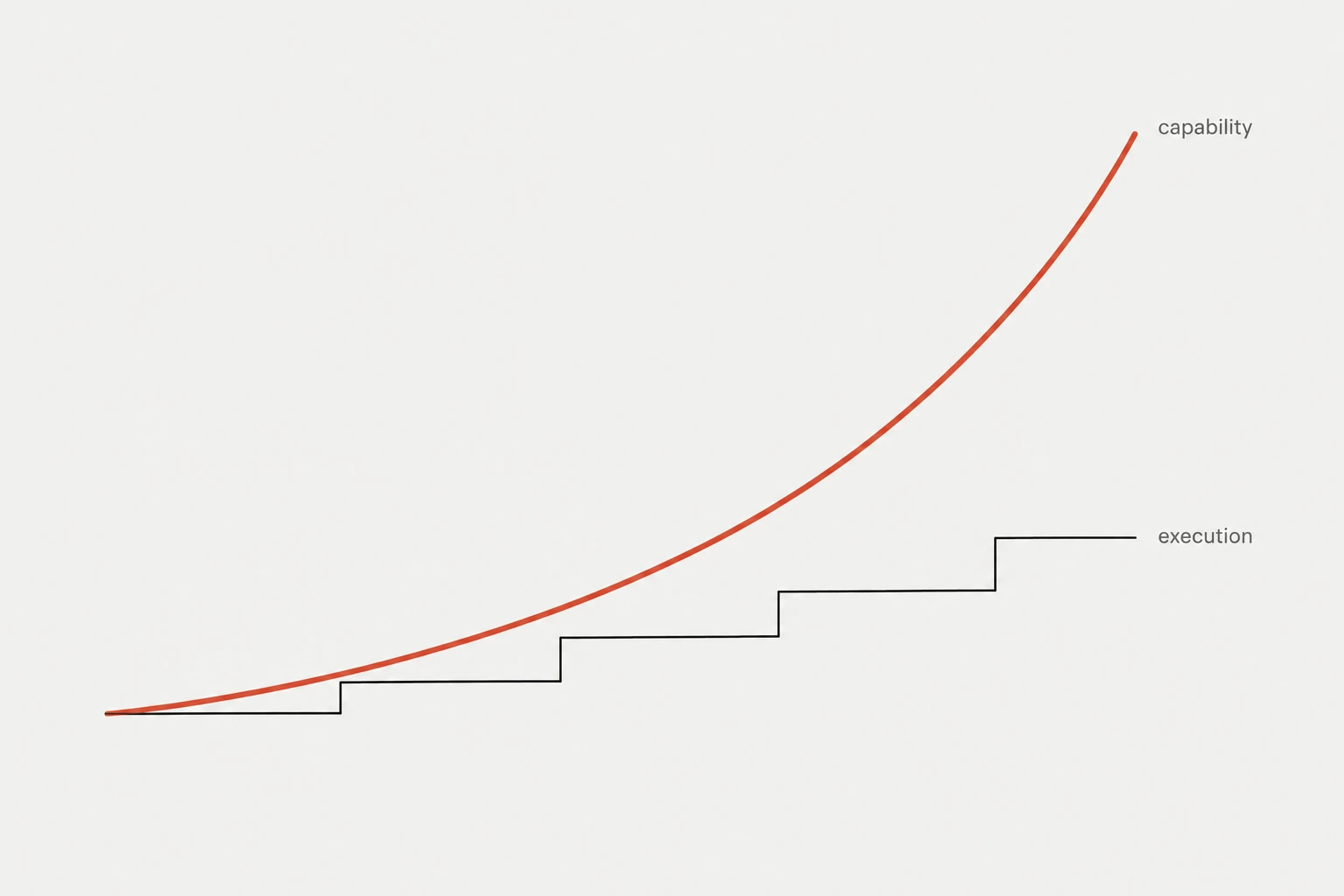
Becoming AI-native starts with changing a leader’s own default assumptions. Hands-on use of AI expands capability and breaks the paralysis that large transformation plans can create. Culture shifts as people see their leader solving real problems and begin experimenting in their own work.
When a technology wave as foundational as artificial intelligence arrives, every leader intuitively recognizes what is at stake.
Because it touches intelligence itself, responding to AI isn’t an IT software upgrade or a vendor purchasing decision. It is fundamentally about culture, mindset, and human capability.
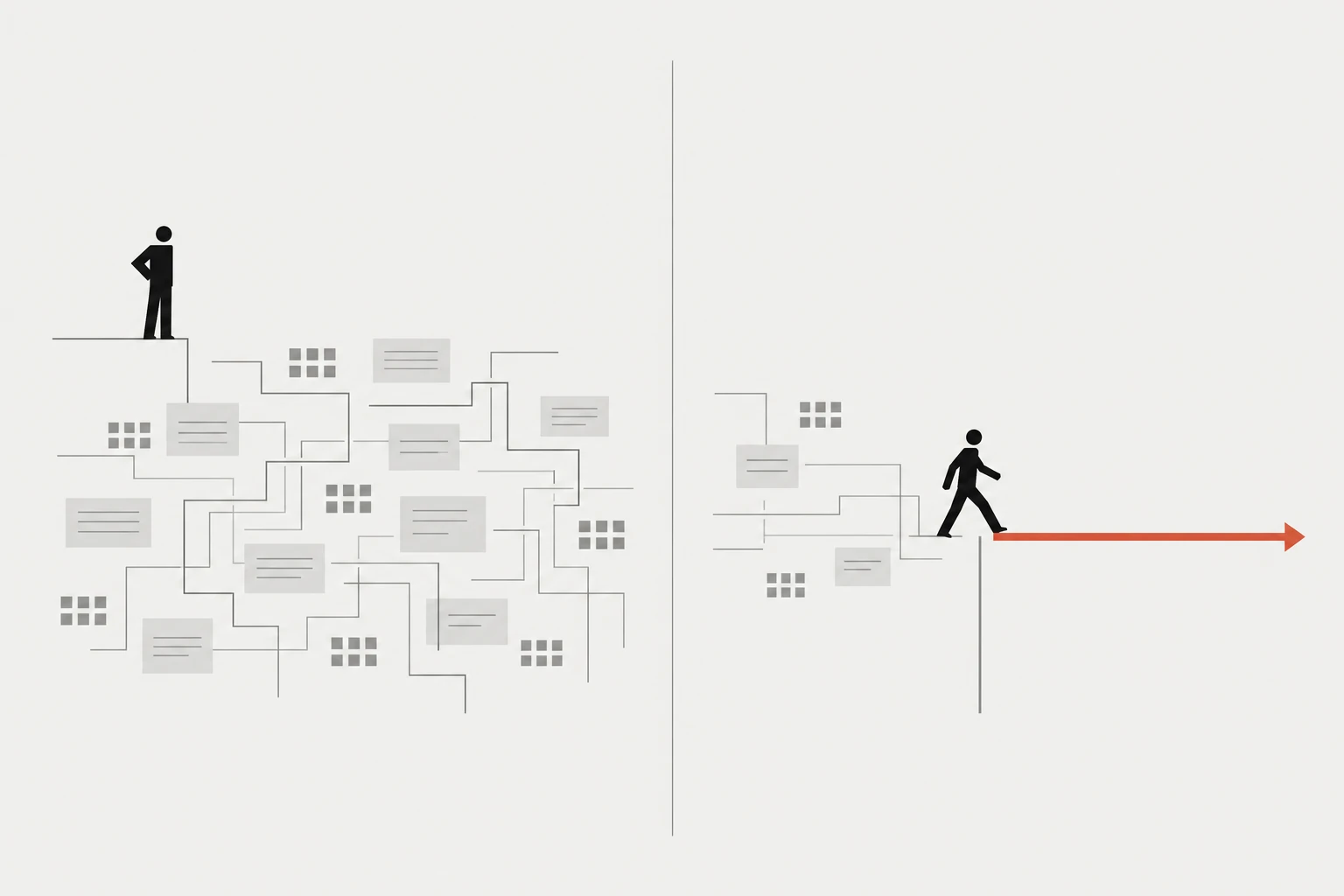
Yet precisely because it feels so vast and transformational, the natural human reaction is overwhelm. Facing a shift of this scale, organizations easily fall into a quiet paralysis. Avoidance is a familiar symptom of strategic anxiety: leaders overcomplicate the challenge into an intimidating corporate mountain, assuming they must construct massive transformation committees, hire suites of specialists, and draft multi-year roadmaps before anything real can begin.
The implicit assumption is that an organization transforms from the top down through policy and planning—while leadership watches safely from an executive distance.
The Obstacle Is the Way
You cannot analyze your way out of strategic anxiety. In leadership, avoidance breeds complexity, and the only way through paralysis is direct action.
Being AI-native is what breaks that paralysis. It is not an abstract corporate transformation program, an enterprise software mandate, or an age group. It is simply a shift in default starting assumptions—a philosophy where, whenever a task, problem, or decision arises, your instinct defaults to asking: “If AI-driven human capability is my starting assumption here, how do I approach this?”
We saw this exact pattern unfold during the mobile transition of the late 2000s.
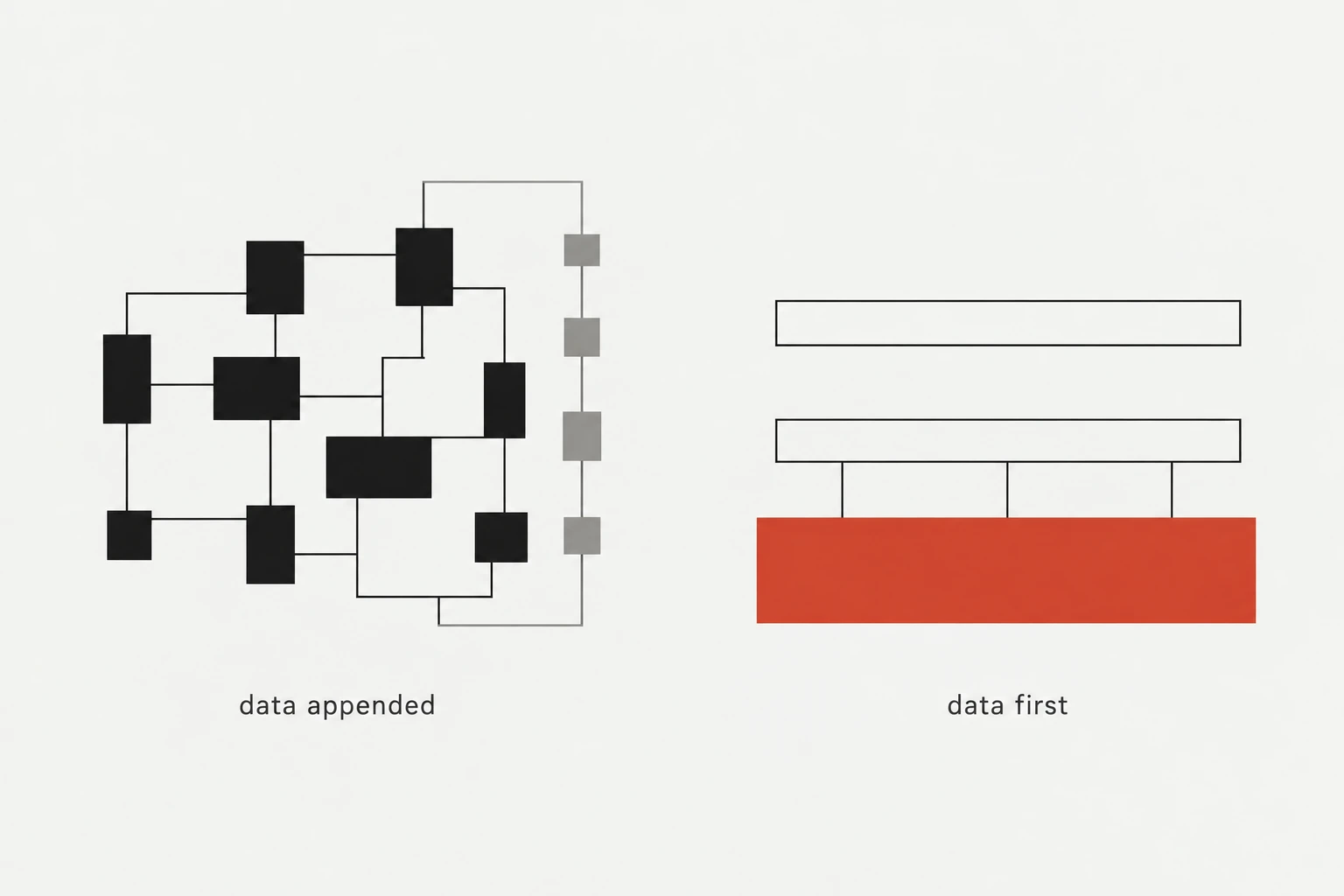
When smartphones emerged, incumbent telecommunications operators recognized that mobile data was transformational. But they got paralyzed trying to fit data into their legacy business models, treating it as an add-on feature while protecting their core revenues in voice minutes and text messaging.
Meanwhile, challenger mobile virtual network operators (MVNOs) broke through by making mobile data their default starting assumption from day one. They didn’t overcomplicate the transition; they organized around data as the primary source of customer value, letting voice and text become secondary features running over data networks. The challengers didn’t win through superior infrastructure—they won because they changed their starting assumptions while incumbents remained stuck evaluating the mountain.
Leading by Doing
Breaking paralysis across an enterprise requires realizing a fundamental truth about businesses: an organization is not an abstract entity separate from people. An organization is simply a collection of individuals.
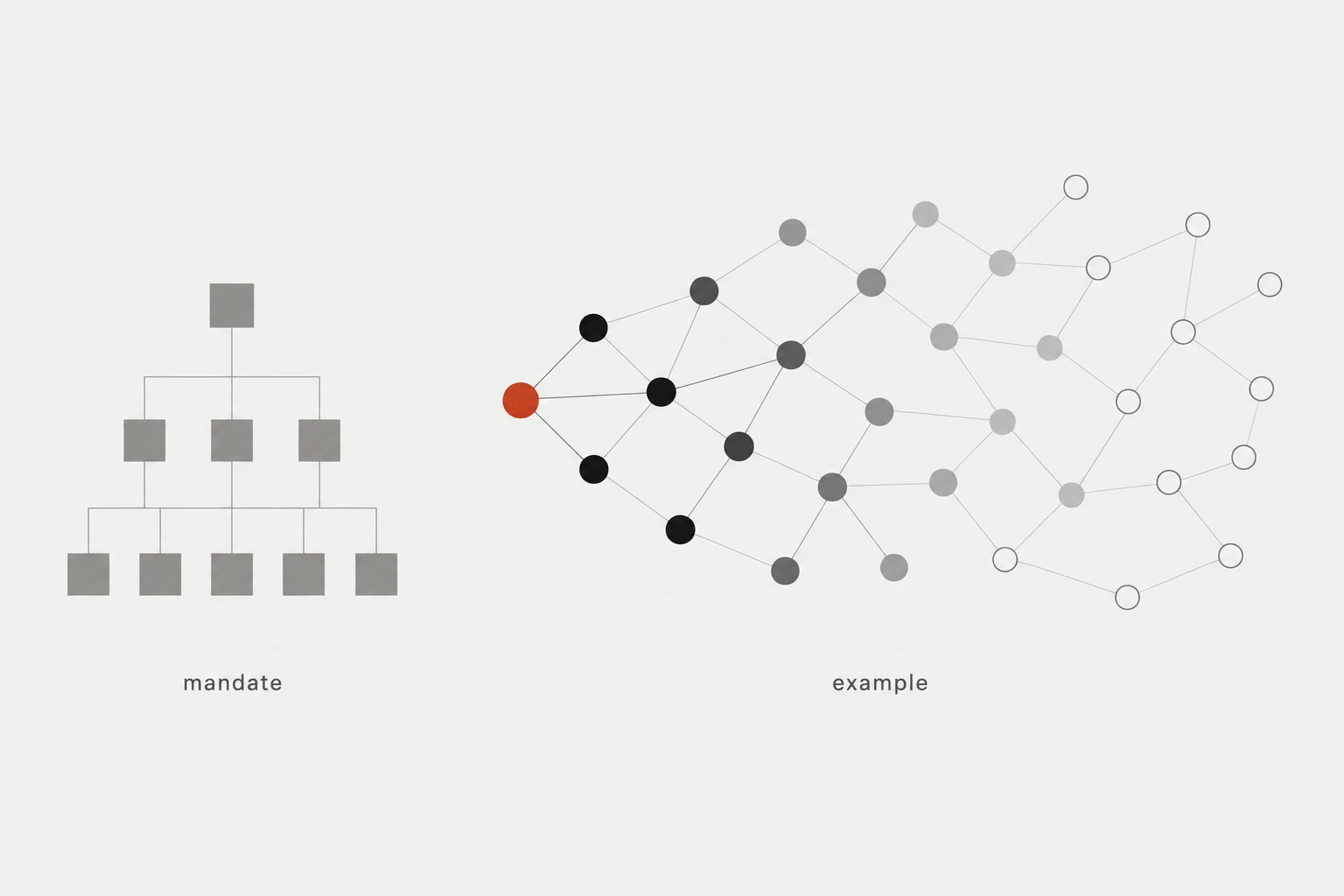
You cannot mandate a shift in culture or mindset across an organization while managing from a comfortable executive distance. Leadership is leading by doing. To transform the organization, the leader must become first—modelling the mindset so that others can follow and become AI-native themselves.
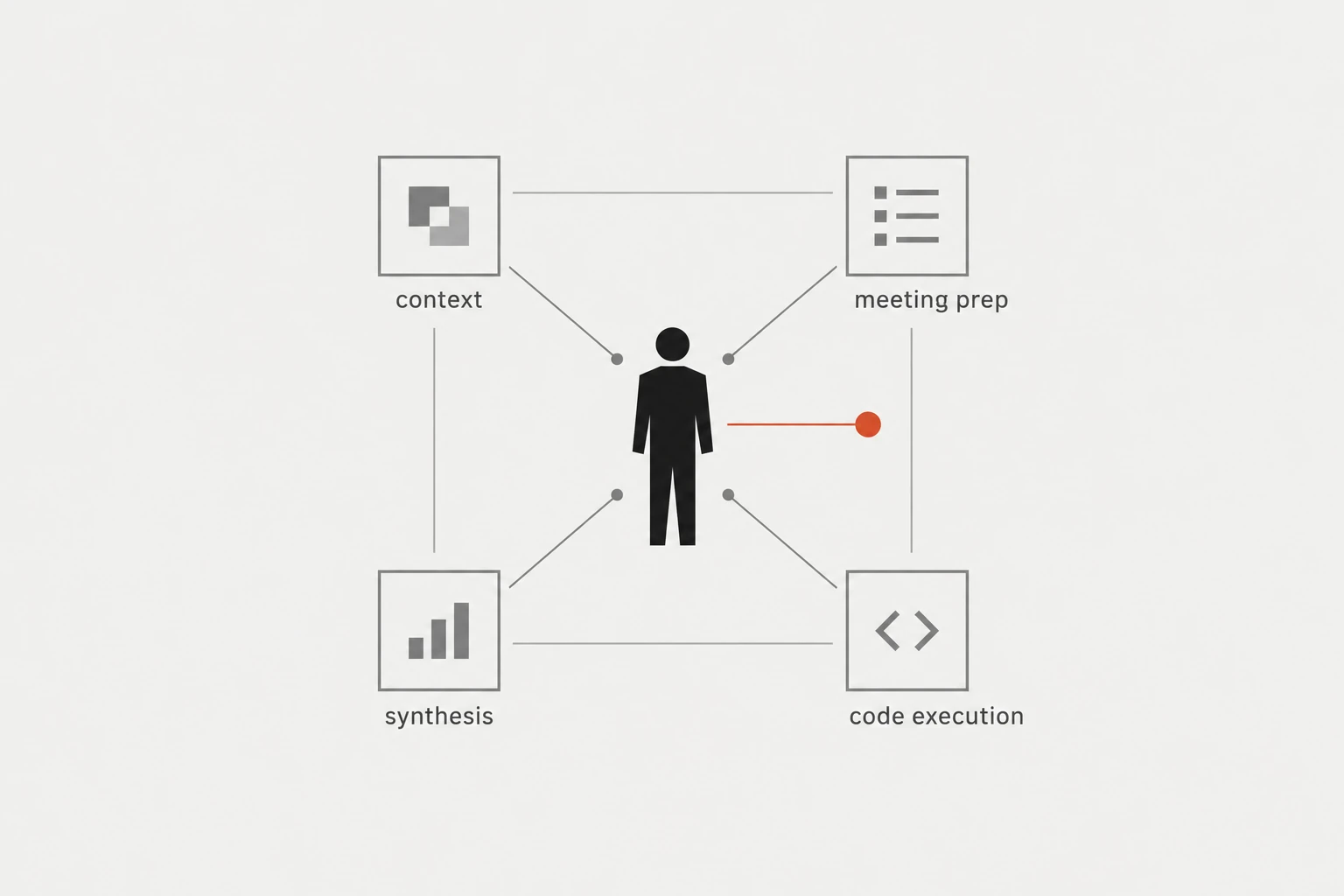
My own path forced that realization. It began conventionally—managing AI product teams, directing roadmaps, and reviewing progress from an executive distance. But overseeing technology through traditional management channels quickly revealed its limits. The real breakthrough came from personally crossing the floor: getting hands-on, using AI to learn how to code, assembling agentic systems, and constructing an “AI Brain”—a personal operating environment that carries context, routes information, and connects historical decisions to daily work.
That experience exposed a truth that traditional corporate training ignores: leaders do not need to possess every underlying technical skill before acquiring real technical capability.
When you use AI to build workflows directly, the primary requirement isn’t formal computer science training; it is clarity of thought and a willingness to experiment. The starting points are intentionally practical—running daily administrative research through agents, preparing for high-stakes meetings, and synthesizing market context in minutes.
How Culture Actually Shifts
When a leader personally experiences that expansion of human capability, the nature of leadership changes.
Personal execution scale expands beyond traditional productivity, reaching bandwidth that previously required large teams. But more importantly, it changes what the leader demonstrates to the rest of the business.
Culture does not shift because a board subcommittee releases a new mission statement or rolls out a mandatory software tool. Culture shifts when people see their leader solving real problems with a new set of starting assumptions.
When an executive uses an AI environment to prepare for a strategic review, draft a complex scenario, or automate routine friction, it signals to every manager and employee that capability is acquired through direct action. As individuals across the business observe that posture, they begin experimenting in their own roles.
One by one, managers begin routing their research through agents, teams build custom contexts for their projects, and routine administrative drag begins to evaporate. That is how an organization becomes AI-native: not through a top-down corporate mandate, but because the individuals who comprise the organization have adopted a new baseline for what human capability can accomplish.
Crossing the Floor
The transition to an AI-native operating model is not a neat, four-step corporate transformation plan. It would be disingenuous to pretend there is a proven corporate blueprint that solves organizational evolution in advance.
What is clear, however, is where the response begins.
It does not start with a massive enterprise software contract or an advisory committee. It starts with the leader personally crossing the floor—stepping down from executive detachment, building hands-on familiarity, and integrating AI into their daily strategic cadence.
Take one major decision or recurring responsibility currently on your desk today. Before delegating it through standard channels, pause and step into the work directly. Ask a single question: If AI were my default starting assumption here, how would I approach this?
Action is the only antidote to paralysis. By becoming AI-native yourself, you create the space and example for your people to do the same—building an organization that moves with speed, operates on firm principles, and compounds its human capability over time.